
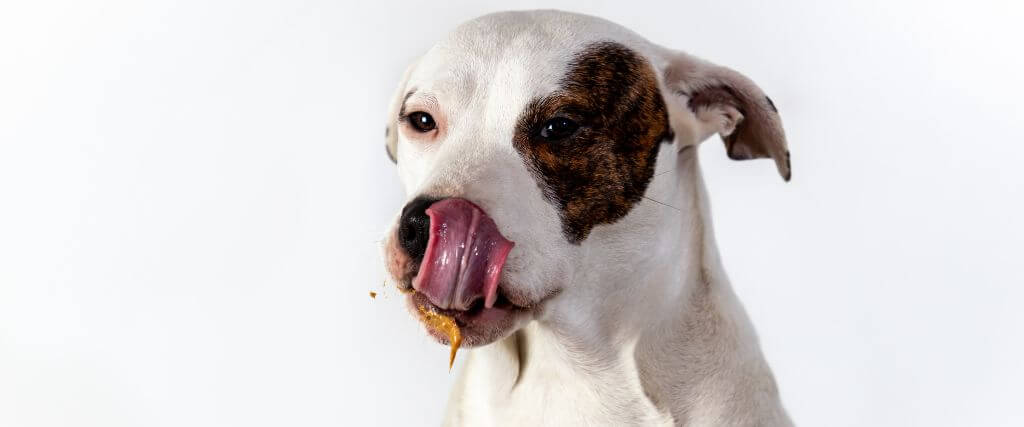
It’s no secret that many dogs love peanut butter. From stuffed toys to flavored treats, it is a popular way to reward or distract a happy pup. But as more varieties of nut butters fill grocery store shelves, many pet owners wonder what is actually safe to share. Are alternatives like almond or cashew butter okay? And which nuts should never be given?
While some nut products can be offered in small amounts, others pose real health risks. Understanding which options are safer, and which to avoid entirely, helps you make informed decisions for your dog.
Is Peanut Butter Safe for Dogs?
Plain peanut butter is generally safe for most dogs when given in moderation. It can be useful for training, hiding medication, or providing enrichment inside a food toy. Unlike in humans, true peanut allergies appear to be uncommon in dogs.
However, not all peanut butter products are safe. Some brands contain added sugars, excessive salt, or artificial sweeteners. One ingredient in particular, xylitol, is extremely dangerous for dogs. Xylitol ingestion can cause a rapid release of insulin, leading to hypoglycemia and potentially liver failure. The U.S. Food and Drug Administration warns that xylitol is highly toxic to dogs and should be avoided completely. Always read ingredient labels carefully before offering peanut butter to your pet.
Are Other Nut Butters Safe for Dogs?
With the growing popularity of alternative nut butters, you may be tempted to share what you have at home. Some options can be tolerated in small amounts, but they are not risk-free.
Cashew Butter
Plain, unsalted cashew butter may be offered occasionally in very small quantities. Cashews are not considered toxic to dogs, but they are high in fat. Too much can contribute to digestive upset or weight gain.
Almond Butter
Almonds are not classified as toxic, but many dogs have difficulty digesting them. Even almond butter may cause stomach upset in some pets. If offered at all, it should be limited and monitored carefully for signs of vomiting or diarrhea.
As with peanut butter, any alternative nut butter must be free from xylitol or other artificial sweeteners.
Nuts Dogs Should Never Eat
Some nuts pose significant health concerns and should be avoided entirely. Even small amounts can cause illness.
- Macadamia nuts: Known to cause weakness, vomiting, tremors, and hyperthermia in dogs.
- Walnuts (especially moldy walnuts): May contain toxins that can cause neurologic symptoms.
- Pistachios: High fat content and potential mold contamination make them unsafe.
- Chocolate-covered nuts: Chocolate itself is toxic to dogs and should never be given.
If your dog accidentally consumes any of these nuts, contact your veterinarian promptly for guidance.

The Problem With High Fat Foods
Even nuts that are not toxic can still cause problems. Nuts and nut butters are calorie-dense and high in fat. In some dogs, consuming large amounts of fatty foods can lead to gastrointestinal upset such as vomiting and diarrhea.
In certain cases, high-fat foods may also increase the risk of pancreatitis, a painful inflammatory condition of the pancreas. For this reason, treats like peanut butter should be offered sparingly and factored into your dog’s overall daily calorie intake.
Tips for Safely Sharing Nut Butters With Your Dog
If you choose to offer nut butter as an occasional treat, keep these safety guidelines in mind:
- Check labels carefully to ensure the product does not contain xylitol.
- Choose plain, unsalted varieties without added sugar.
- Offer only small amounts as an occasional treat.
- Avoid giving whole nuts, which can present choking hazards.
- Monitor your dog for digestive upset after introducing a new food.
Remember that treats should make up only a small portion of your dog’s overall nutrition. A complete and balanced dog food should remain the primary source of calories and nutrients.
When to Call Your Veterinarian
If your dog consumes a nut product containing xylitol, macadamia nuts, chocolate, or moldy nuts, seek veterinary care immediately. Symptoms such as vomiting, weakness, tremors, lethargy, or collapse require urgent evaluation.
When in doubt, it is always safer to ask before sharing new foods. A quick call to your veterinary team can help avoid a preventable emergency.
If you have questions, we would love to answer them for you. Please give us a call at the office at (936) 856-0200, or you can email us at #. Our staff would love to talk with you!
Don't forget to follow us on social media Facebook, Instagram.